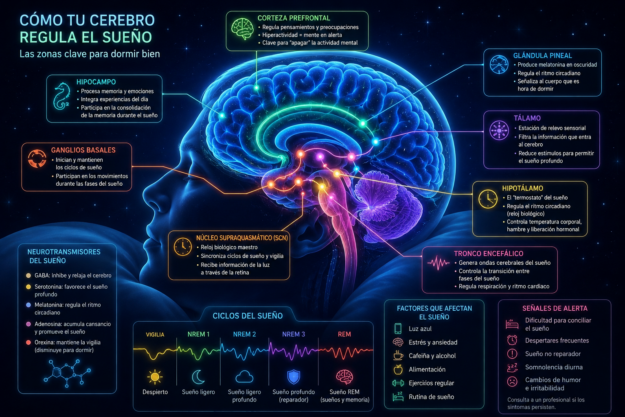
Sleeping well does not simply depend on going to bed early. Sleep is the result of a complex interaction between hormones, metabolism, nutrition, the nervous system, breathing, and lifestyle habits. When any of these factors become disrupted, difficulties falling asleep, frequent night-time awakenings, or waking up feeling unrefreshed may occur. If you have been wondering…
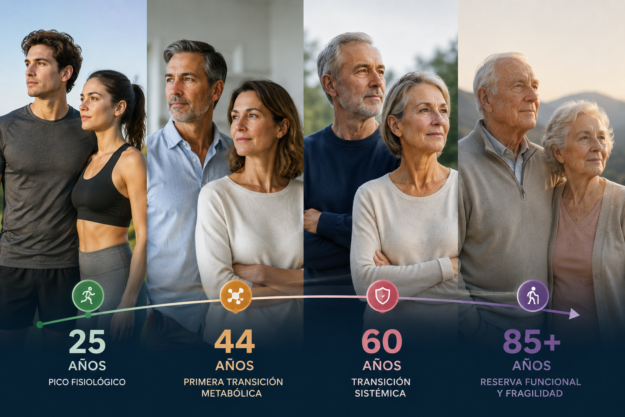
For a long time, it was assumed that ageing was a gradual, uniform and inevitable process: a slow succession of small physical and metabolic changes that accumulated over the years. However, current biomedical research suggests a more complex reality. Ageing does not always progress in a linear fashion. There are stages of biological transition in…
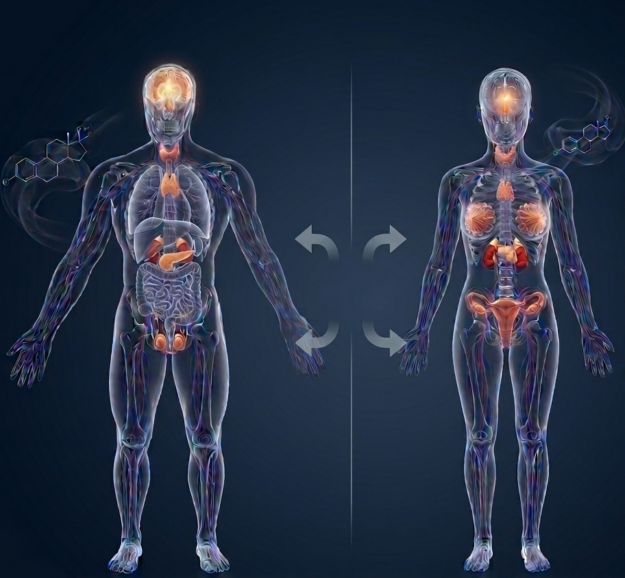
Every 24 April, we celebrate International Hormone Day – the perfect opportunity to remind ourselves of something that often goes unnoticed: hormones regulate practically everything that happens in your body. From your energy levels to your mood, as well as your weight, sleep and fertility. Based on scientific evidence promoted by the European Society of…
We live surrounded by chemicals that make our daily lives easier, but some of them can silently interfere with our hormonal system. These are known as endocrine disruptors, and their impact on reproductive, metabolic, thyroid and neurological health is increasingly well documented. In this article, I explain what they are, where they are found, how…
Menopause is a natural stage in a woman’s life, but it is also a time of significant physiological changes that can affect metabolic, bone, cardiovascular and emotional health. On the occasion of International Women’s Day (8 March), it is particularly relevant to review the Report of the Scientific Committee of the Spanish Agency for Food…
Nitric oxide (NO) is a gaseous molecule produced naturally by our bodies that plays a key role in cardiovascular, metabolic, immune and sexual health. Although it is very small, its impact is enormous: it regulates circulation, blood pressure and communication between cells. What is nitric oxide? It is a biological signalling gas that allows blood…
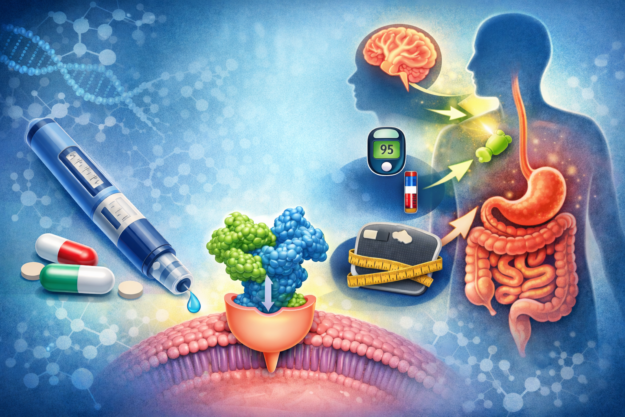
Obesity has become one of the main threats to public health worldwide. Its prevalence continues to increase in both industrialised countries and low- and middle-income countries, with alarming figures among adults. This clinical reality is not trivial: obesity is associated with an increased risk of type 2 diabetes, cardiovascular disease, certain types of cancer, cognitive…
Acne is one of the most common skin conditions, especially in adolescents, although it can also appear in adulthood. Although we tend to associate it with ‘oily skin’, hormones or stress, the reality is that acne is a multifactorial condition: hormonal, genetic, environmental and inflammatory factors, lifestyle and even gut microbiota all play a role.…
Menopause is a time of great physical and emotional change. Although we often hear about hot flushes, insomnia, and mood swings, one of the aspects that most affects well-being—and is least talked about—is decreased sexual desire. If you feel that your sexual appetite has decreased or even disappeared, you are not alone: up to 60%…
In the current context, where life expectancy is increasing, but not always in parallel with quality of life, the science of longevity proposes a comprehensive approach that combines nutrition, exercise, sleep, emotional balance, and social connection. Below are 14 recommendations with scientific consensus, validated by literature in preventive medicine, biology of ageing, and clinical nutrition.…
Cookies: Para que este sitio funcione adecuadamente, a veces instalamos en los dispositivos de los usuarios pequeños ficheros de datos, conocidos como cookies. La mayoría de los grandes sitios web también lo hacen. Leer más